
Long before AI existed, writers were already arguing about the em dash.
It first appeared in English printing in the 1700s, when typesetters needed a way to create a pause longer than a comma but not as final as a period. By the 1800s, it had become a stylistic signature — Dickens used it for drama, Austen for pacing, and Emily Dickinson practically turned it into a personality trait.
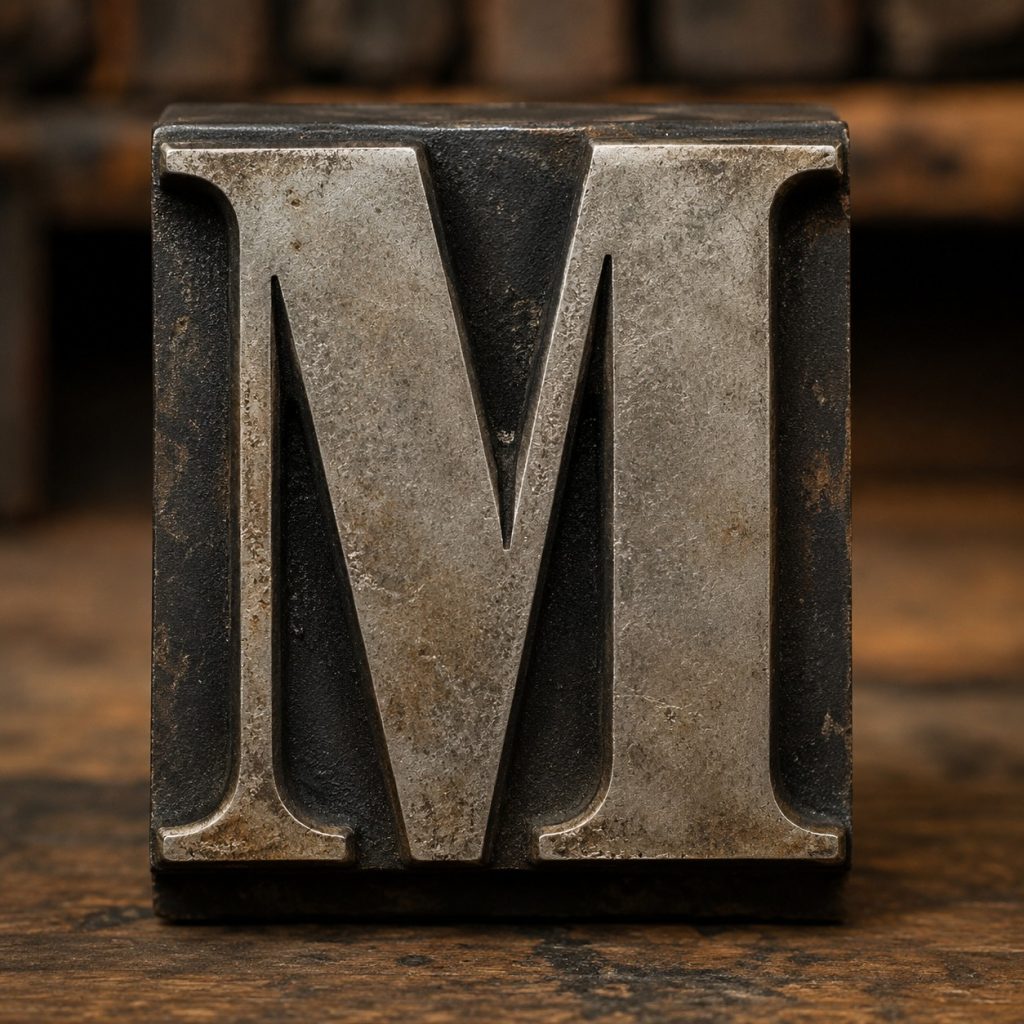
By the early 1900s, American printers standardized it as the “em dash,” named for the width of the metal M in traditional type. It’s been part of human writing rhythm ever since.
So when people say, “Em dashes are an AI tell,” it’s a perfect example of how we often latch onto the wrong signals.
We Misread Signals Everywhere — Especially in Business
Small business finance is full of the same pattern:
- People see an S‑Corp and assume tax savings.
- They see profit and assume cash.
- They see bookkeeping and assume data entry.
- They see an accountant and assume clarity.
None of those assumptions hold up.
They’re just easy stories — repeated often enough that they feel true.
Real clarity comes from understanding the structure underneath the surface:
- how money actually moves
- what your numbers are actually saying
- which signals matter and which ones don’t
The Mystery Long Dash in Word (You Know the One)
If you’ve ever been typing along in Word and suddenly — poof — a long dash appears out of nowhere, you know the feeling.
You didn’t ask for it.
You don’t know how it happened.
You definitely can’t replicate it on command.
It’s just…there.
A mystery.
A guess.
That’s how most small business owners feel about their numbers.
Things appear. Things disappear. Things don’t behave the way they expect. They’re trying to run a business while also trying to decode a system no one ever taught them.
This Is Where Clarity Actually Begins
At True Insights, that’s the work we do:
turning the “mystery long dash” moments in your finances into something you actually understand — on purpose, not by accident.
Because once you know what’s happening behind the scenes, you stop guessing.
You stop reacting.
You start making decisions with clarity and confidence.
And everything gets easier — em dashes included.